The Tenerife+Talento programme, led by Turismo de Tenerife and delivered by consultancy Cink Venturing, has been a pioneering initiative to strengthen and transform the island’s tourism business fabric.
The project was created with a clear goal: to train, support and connect SMEs and startups in Tenerife’s tourism sector, equipping them with the tools and knowledge they need to grow their businesses in a sustainable, innovative and digital way.
In its first edition, more than 100 companies took part in one or more phases of the programme, combining online training, in-person networking events and individual strategic support that significantly boosted their competitive development.
The tourism context in the Canary Islands presented a dual need:
SMEs in Tenerife needed to modernise their business models towards more scalable approaches, integrate digital tools, professionalise their marketing and move towards more responsible tourism aligned with the Sustainable Development Goals and new traveller expectations.
The Tenerife+Talento project was conceived as a direct response to this challenge, providing a comprehensive training, mentoring and community platform to drive change.
Cink Venturing developed a proprietary support methodology called “Mentorship Driven”, focused on tailoring the process to each company. It was structured into four main phases:
Each SME began the process with a strategic diagnosis, identifying challenges, opportunities and priority areas for improvement. Based on this initial interview, a personalised roadmap was defined, including objectives and a schedule of sessions.
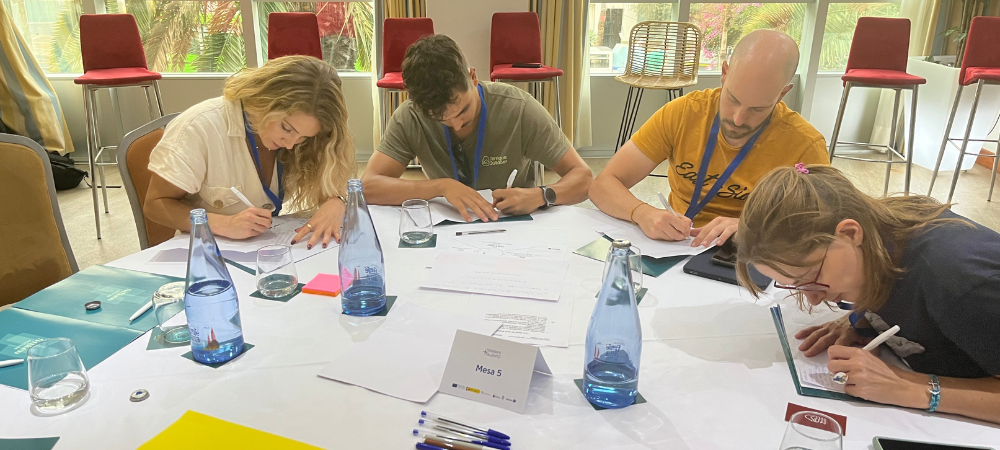
During the mentoring sessions, specialists in marketing, digitalisation, sustainability, operations and finance worked closely with each company.
The approach combined a lead mentor – with a global view of the business – and specialist mentors for specific areas, ensuring support was tailored to each stage of business development.
After each session, action reports were produced with concrete next steps, and visual tools were used to track progress. This ongoing follow-up ensured that proposed improvements – from creating new products to optimising processes – were implemented in a real and measurable way.
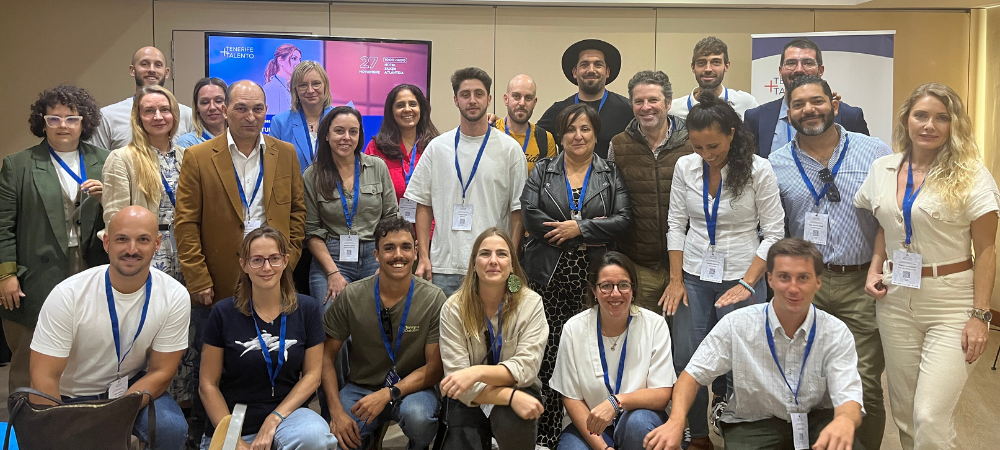
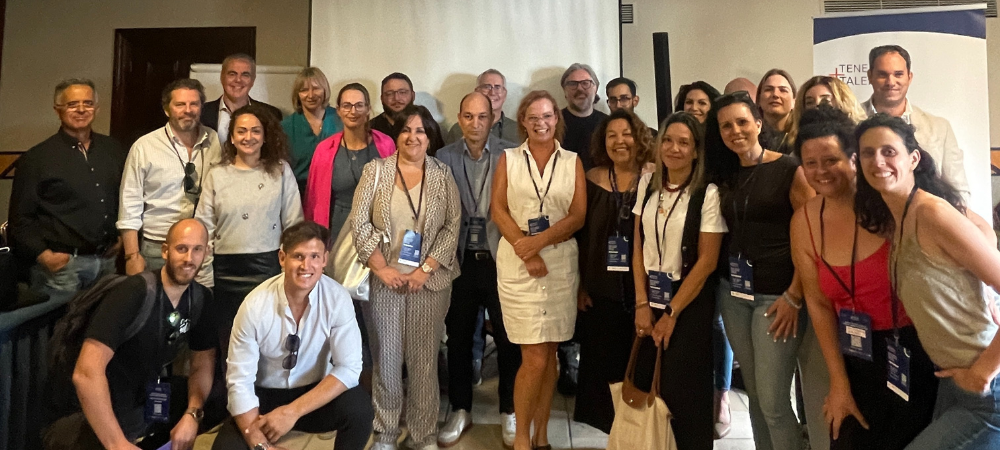
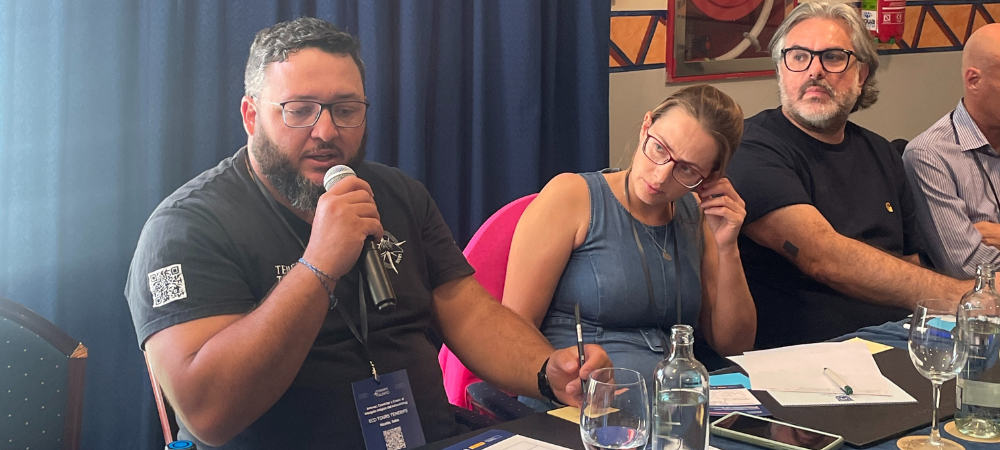
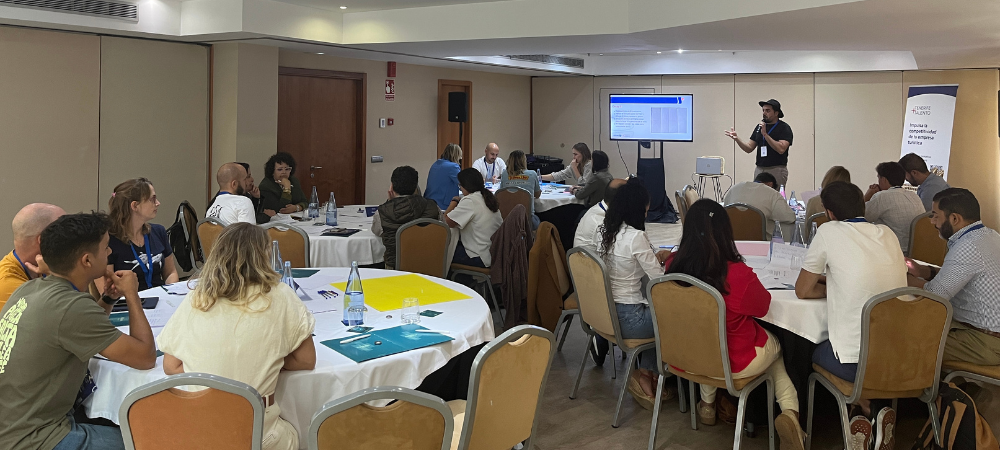
Throughout the programme, two in-person gatherings were held in the north and south of the island to foster connections between companies, mentors and key stakeholders in the tourism business ecosystem.
These sessions facilitated relationship-building, the exchange of experiences and the development of new synergies.
The personalised mentoring service was consolidated as the programme’s main driver of impact:
The programme enabled companies to redesign their business models, launch new tourism products (such as sustainable routes, gastronomic experiences or low-footprint accommodation) and strengthen their digital positioning.
The qualitative impact was also remarkable: SMEs highlighted the value of having an external perspective, being able to make strategic decisions with greater confidence, and the importance of continuous support as a catalyst for change.