Acceleration programme for companies benefiting from the “support for cultural and creative accelerators projects” grants by the Community of Madrid

Design and implementation of an acceleration programme focused on supporting cultural and creative projects to enhance the cultural industry in the region.

Título: Creative and Cultural Industries Accelerator
Cliente: Ministry of Culture, Tourism, and Sports of the Community of Madrid
Duración del proyecto: 2022

DESCRIPCIÓN

The Ministry of Culture, Tourism, and Sports of the Community of Madrid launched a strategic initiative to promote the strengthening, professionalisation, and sustainability of the cultural and creative sector’s business ecosystem in the region. In this context, the grants for supporting cultural and creative accelerators were announced, with the aim of facilitating the initiation or consolidation of innovative, sustainable projects with the potential for social and economic impact.

CINK Venturing, in collaboration with Lanzadera, was responsible for implementing the acceleration programme under its own methodological model, tailored to the specifics of the cultural sector. This programme aimed to support those entities that, after evaluation by the Administration, were selected as beneficiaries of the grants. CINK Venturing’s role was crucial both in the proposal evaluation phase and in the strategic support throughout the entire acceleration journey.
OPORTUNIDAD

The development of this cultural and creative accelerator responded to a need identified by the regional government: to have a professionalised mechanism that helps channel the sector’s potential through the promotion of innovative and sustainable projects. The main challenges addressed were:

  • Designing a flexible and specialised programme that responds to the unique characteristics of the cultural and creative industries, whose business models require specific technical support
  • Articulating a strategic support process that enables beneficiary entities to optimise their resources, mature their value proposition, and progress towards economic sustainability.
  • Collaborating closely with the Ministry during the diagnosis phase, participating in the technical analysis of the submitted proposals to ensure alignment with the criteria of the call.
  • Adapting the programme’s contents and tools to projects at different levels of maturity and with varying needs, ensuring a personalised and effective intervention.

METODOLOGÍA

1. Diagnosis Phase

During the first phase, prior to the selection of the beneficiary entities, CINK collaborated in the technical analysis of the applications submitted to the call. This work involved the creation of individualised diagnoses to assess the feasibility, strategic coherence, and alignment of the proposals with the objectives set by the Ministry.

This phase was crucial in establishing a solid foundation upon which the personalised acceleration pathways would later be designed, based on the characteristics and potential of each project.

2. Execution and Development Phase

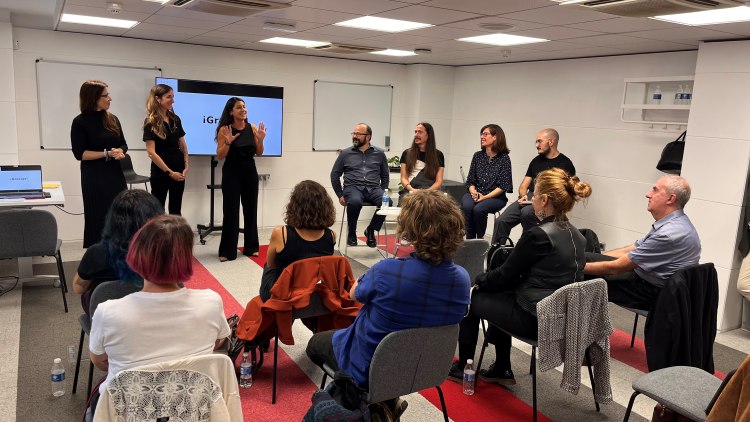
Once the grants were awarded, each beneficiary selected the accelerator with which they wanted to collaborate. In this context, five cultural and creative projects chose to participate in the pathway offered by CINK Venturing in partnership with Lanzadera.

The acceleration programme, lasting four months, was structured around four main pillars:

  • Personalised strategic mentoring: each project was assigned a mentor who guided the teams in making key decisions, defining their business model, and setting measurable goals.
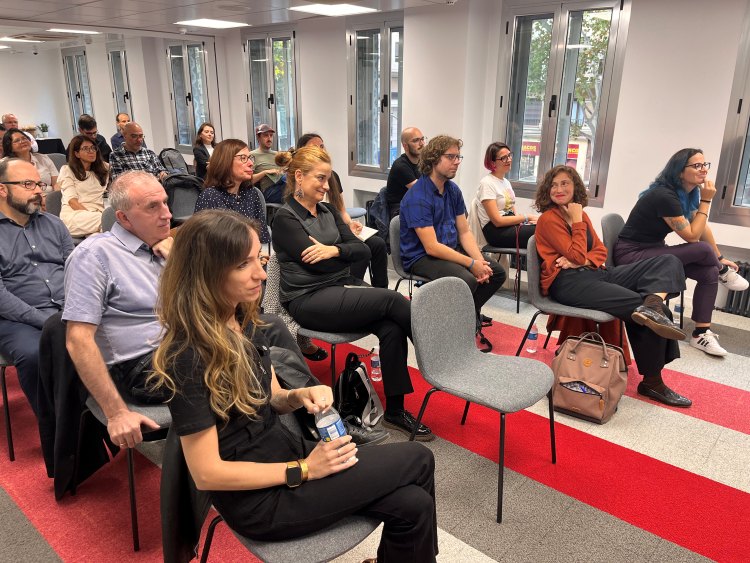
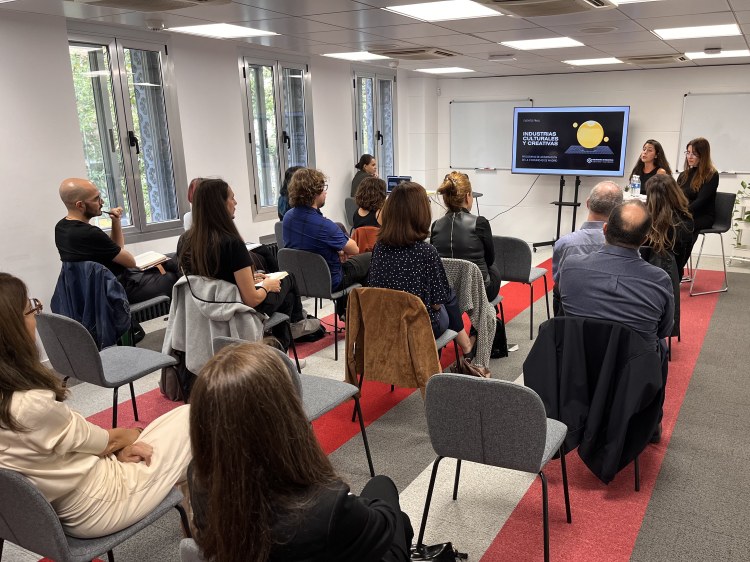
  • Specialised Training: training sessions were offered, tailored to the interests and needs of the cultural sector, covering topics such as intellectual property, digital tools (e.g., No-Code solutions), cultural marketing, income diversification, sustainability, and impact measurement.
  • Workshops and practical sessions: collaborative spaces were organised to work on critical aspects such as the presentation pitch, audience building, and seeking external funding.
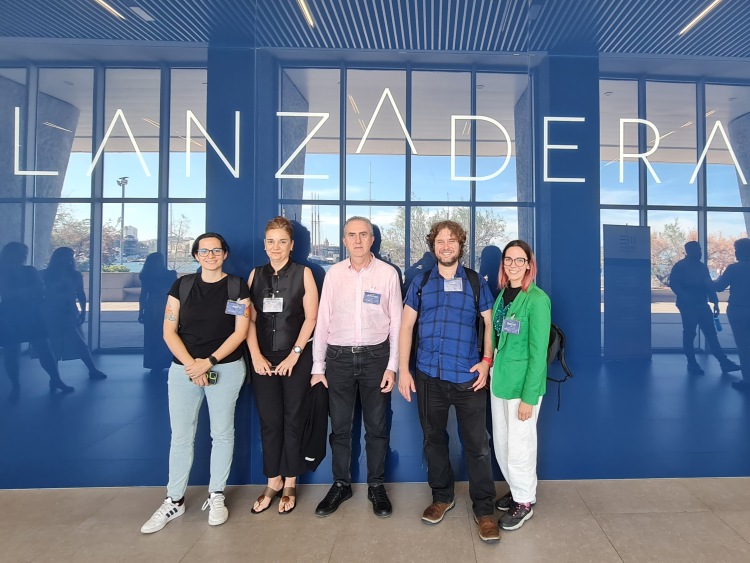
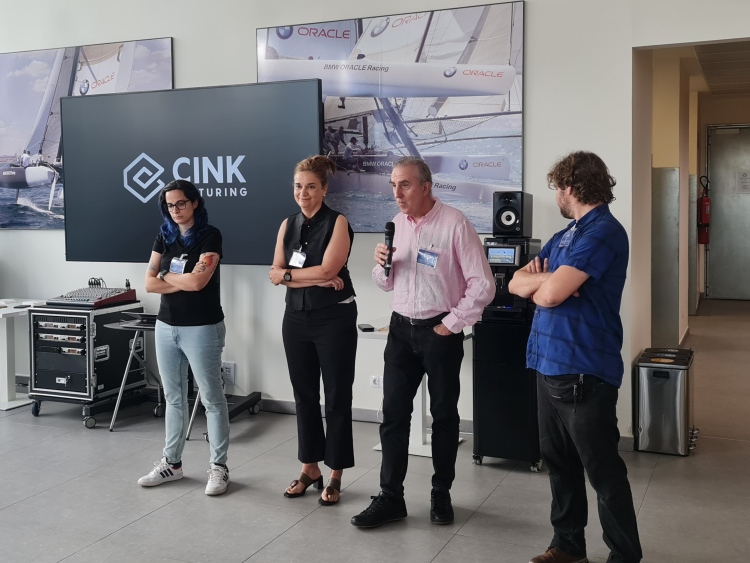
  • Events and networking: connections with the entrepreneurial ecosystem were promoted through visits to reference spaces such as Lanzadera’s facilities, meetings with sector agents, and access to relevant forums and networks.

3. Results y conclusions

At the end of the programme, CINK prepared individualised follow-up and evaluation reports, analysing the progress of each project, as well as strengths, areas for improvement, and recommendations for continuity. These reports were shared with the Ministry as part of the commitment to transparency and continuous programme improvement.

Key conclusions included:
  • The need to continue investing in acceleration models tailored to the cultural sector, focusing on sustainability, professionalisation, and digitalisation.
  • The added value of connecting public and private agents in promoting cultural and creative projects with impact.
  • The importance of offering support pathways that combine technical training, personalised mentoring, and real opportunities for connection with the ecosystem.

IMPACTO

The results achieved reflect the effectiveness of this intervention model, both quantitatively and qualitatively.

In addition to the direct impact on the participating projects, the programme has contributed to consolidating a replicable methodology for supporting cultural and creative initiatives, positioning the Community of Madrid as a benchmark in innovation support policies for the sector.

5 cultural and creative companies accelerated

+100 hours of individualised mentoring and +200 hours of specialised training

+75 hours of practical workshops

Active participation in events and in-person visits

Direct access to reference entrepreneurial ecosystems

¿Quieres saber más acerca de NUESTROS SERVICIOS?